NASCAR's Hometown: The Hall, the Speedway, and the Race Shops
Hall of Fame downtown, cathedral of speed in Concord, factories in Mooresville: Charlotte is not just NASCAR's home track — it is NASCAR's hometown.
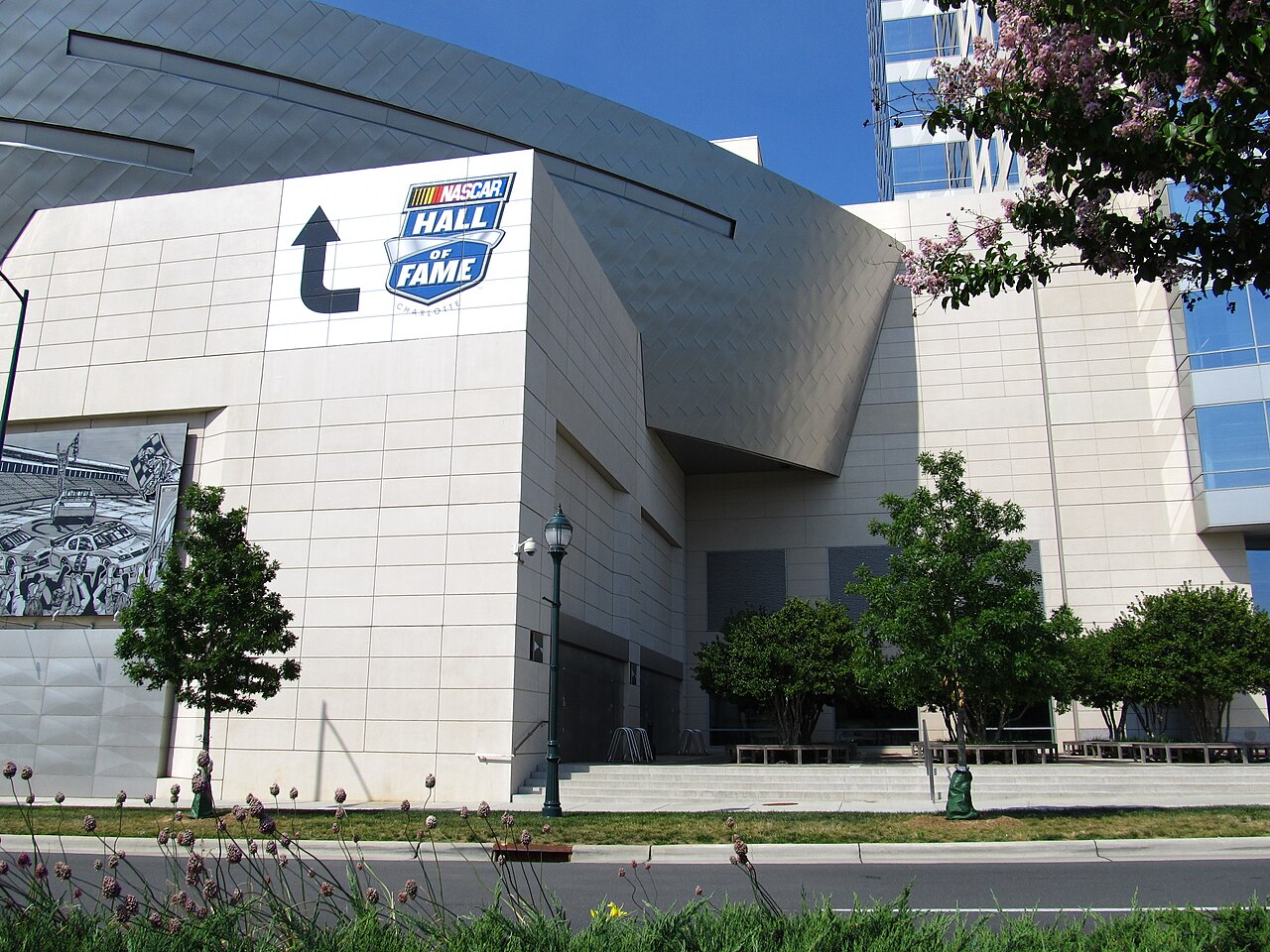
The statistics of stock car racing have a geography, and it centers on Charlotte. The NASCAR Hall of Fame anchors the sport's memory on Caldwell Street in Uptown; the Charlotte Motor Speedway, Bruton Smith's 1.5-mile quad-oval in Concord, anchors its calendar twenty minutes northeast; and the race shops — the engineering campuses where most NASCAR Cup Series teams are headquartered — are scattered across Concord, Mooresville, and Huntersville like a Detroit of speed.
The concentration is not an accident. North Carolina's Piedmont built the sport out of its own ingredients: textile-mill mechanical culture, moonshine-era driving talent on mountain roads, and promoters who understood, earlier than anyone, that racing could be a stadium business. Charlotte's speedway, opened in 1960, was among the superspeedways that professionalized the sport — and the 600-mile race it hosts each Memorial Day weekend remains the longest on the Cup calendar.
The Hall of Fame, opened in 2010, turned that history into a civic institution. Its glory road — a banked ramp of historic stock cars rising through the atrium — is the sport's own hall of memory, and its induction weekends function as family reunions for an industry that still largely lives within an hour's drive.
November is the industry's exhale and its workshop season at once: the Cup championship has just been decided, the shops tear down and rebuild, silly-season driver moves settle, and the speedway pivots to its winter programming — including the drive-through holiday lights show that turns the track into a parade route of a different kind.
For visitors, the triangle is easy to work: the Hall downtown, the speedway in Concord, and the shop tours in Mooresville — 'Race City USA' — where the dynasties keep their dynastic machinery. Nowhere else in American sports does the hall of fame, the cathedral, and the factories sit this close together.