North Carolina's Three Amendments, in the Language on the Ballot
Photo ID for every voter, a constitutional cap on the income tax, and limits on local property taxes: the three amendments explained in the words voters will actually see.
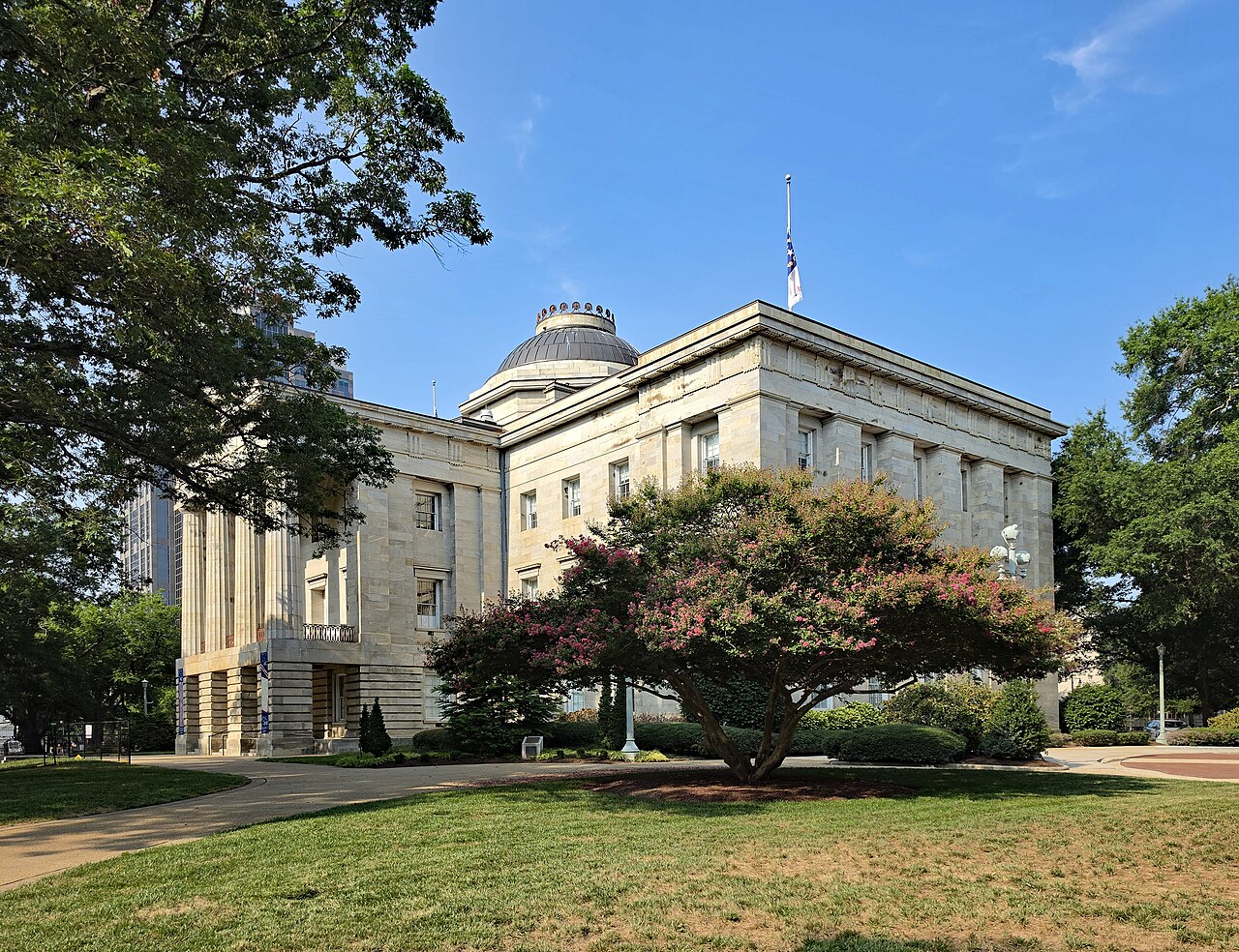
Beneath the races on Tuesday's ballot sit three questions that would amend the North Carolina Constitution itself. Constitutional amendments are the deepest changes voters can make — they bind future legislatures — so the three proposals deserve to be read in full, which is what this page is for.
The first concerns voter identification. North Carolina law already requires voters casting ballots in person to show photo ID; the amendment would write a photo ID requirement into the constitution and extend it expressly to all voters, including those voting by mail, who currently verify identity through other methods or an exception process. Supporters frame it as cementing election security; opponents frame it as constitutionalizing a barrier. The ballot language, as voters will see it, asks whether to amend the constitution 'to require all voters, not just those presenting to vote in person, to present photo identification before voting.'
The second concerns taxes. The proposal would cap the state's maximum income tax rate in the constitution at a level below the current statutory ceiling — fixing in constitutional concrete a limit that the General Assembly could otherwise adjust by ordinary legislation. The argument is predictability versus flexibility, and it will be had in these terms for years if the amendment passes.
The third concerns local property taxes — a proposal to restrict how much local governments' property tax collections can grow, tying the hands of county and city budgets that fund schools, sheriffs, and services. Its effects would be felt differently in fast-growing counties like Mecklenburg than in shrinking ones, which is precisely why it is contested.
Sample ballots from the State Board of Elections print each question exactly as it appears on the ballot. Amendments are the one part of the ballot where reading a summary is not the same as reading the thing. Tuesday's fine print is available now, free, from the county board. Read it before the booth makes the decision urgent.